
.png)


The Best Weight Loss Injections: A Comprehensive Guide to Incretin-Based Therapies
Disclaimer: This article provides informational content only. Weight loss injections are prescription medications and should only be used under the supervision of a qualified healthcare professional. Consult your doctor to determine the most appropriate treatment for your health needs.
The landscape of weight management has been dramatically reshaped by a class of medications known as incretin mimetics, often administered via easy-to-use injections. These treatments—originally developed for Type 2 Diabetes—have shown unprecedented efficacy in promoting significant and sustained weight loss. For individuals struggling with obesity or weight-related health conditions, these injections can be a powerful tool when combined with lifestyle changes like diet and exercise.
🎯 What Makes a Weight Loss Injection “Professional” and High-Quality?
A professional, high-quality weight loss injection is defined by more than just the percentage of weight lost. It’s about a combination of clinical efficacy, safety profile, mechanism of action, and patient compliance. Here are the core characteristics:
1. Clinical Efficacy and Sustained Results
- Average Total Body Weight Loss (TBWL): The gold standard for modern injectables is achieving a TBWL of 15% or more in clinical trials. Older medications might be considered “professional” if they achieve 5-10% TBWL, but the newer dual-agonist agents are raising the bar significantly.
- Sustained Weight Loss: A quality treatment must help patients maintain their weight loss long-term. Medications that require constant dose adjustments without a stable maintenance phase are less ideal.
2. Mechanism of Action (The Science)
The most effective weight loss injections today work by mimicking gut hormones called Incretins, primarily Glucagon-Like Peptide-1 (GLP-1) and, in the newest drugs, Glucose-dependent Insulinotropic Polypeptide (GIP).
- GLP-1 Receptor Agonists: These slow gastric emptying (making you feel full longer) and act on the brain’s satiety centers (reducing hunger and cravings).
- Dual Agonists (GLP-1/GIP): These are considered the cutting edge. By activating both receptors, they offer enhanced appetite suppression and improved fat and sugar metabolism, leading to greater weight reduction.
3. Safety and Tolerability Profile
While all powerful medications have side effects, a high-quality product is characterized by:
- Predictable Side Effects: Gastrointestinal issues (nausea, vomiting, diarrhea) are common, but they should be manageable and typically lessen as the body adjusts to the drug during dose escalation.
- Low Risk of Serious Complications: The drug must have a well-studied profile with a low incidence of severe adverse events, and a clear set of contraindications for safe prescribing.
4. Convenience and Compliance
- Dosing Frequency: Weekly injections (Semaglutide, Tirzepatide) are generally preferred over daily injections (Liraglutide) as they significantly improve patient compliance and convenience.
- Injection Device: Modern, single-use, pre-filled auto-injector pens with hidden needles are considered the most professional and patient-friendly.
💸 Comparison of the 3 Best Budget-Friendly Weight Loss Injections
The “budget-friendly” options often consist of older, yet proven, GLP-1 agonists or generic alternatives. They may require more frequent dosing (daily) or have a lower maximum weight loss potential, but they offer a valuable, cost-effective entry point into medical weight management. Ozempic is often included here due to its lower dose, *off-label* use for weight loss, and potentially lower out-of-pocket cost if covered by diabetes insurance.
Budget-Friendly Injections Comparison
| Product 1: Ozempic (Semaglutide) | Product 2: Saxenda (Liraglutide) | Product 3: Victoza (Liraglutide) |
|---|---|---|
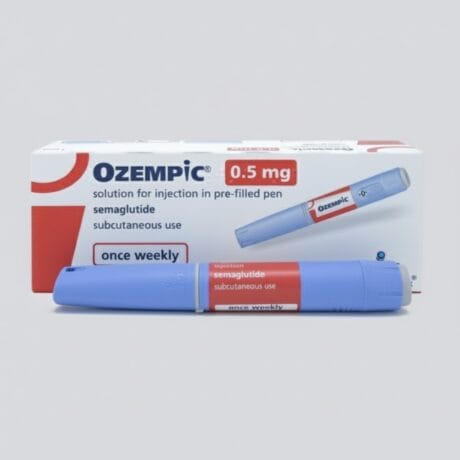 | 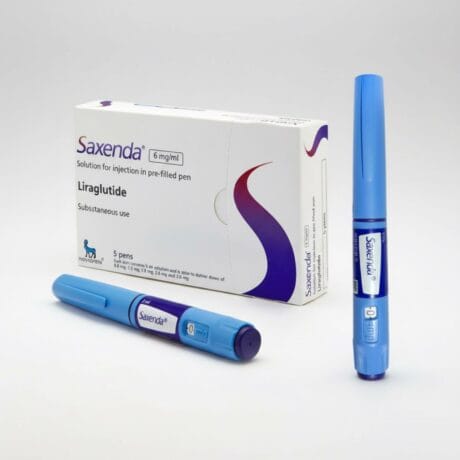 | 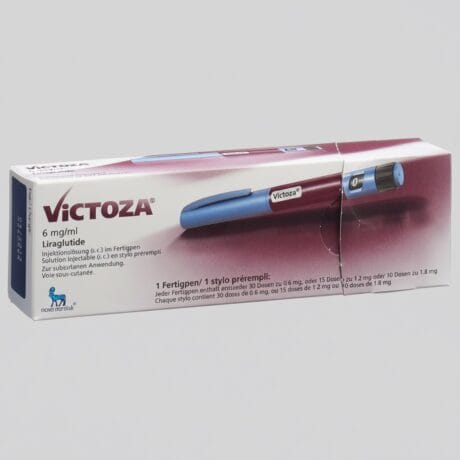 |
| Active Ingredient: Semaglutide (GLP-1 RA) | Active Ingredient: Liraglutide (GLP-1 RA) | Active Ingredient: Liraglutide (GLP-1 RA) |
| Key Feature: Weekly injection (Off-label for weight loss) | Key Feature: Daily injection; specifically FDA/EMA approved for weight loss. | Key Feature: Lower-dose daily injection; primarily for T2D, sometimes used off-label. |
| Typical Max TBWL: ~5-10% (at diabetes doses) | Typical Max TBWL: ~8-10% | Typical Max TBWL: ~5-8% |
| Approx. Monthly Price: $850 – $1,000 (often lower with insurance for T2D) | Approx. Monthly Price: $1,000 – $1,300 | Approx. Monthly Price: $900 – $1,200 (generic available in some regions, lowering cost) |
| Average User Rating: ★★★★☆ (4.0/5.0) | Average User Rating: ★★★☆☆ (3.5/5.0) | Average User Rating: ★★★☆☆ (3.0/5.0) |
| ORDER NOW | ORDER NOW | ORDER NOW |
⚖️ Budget Verdict:
Ozempic (Semaglutide) wins the budget category due to its once-weekly dosing schedule and greater efficacy compared to the daily Liraglutide products (Saxenda/Victoza). While Ozempic is technically *off-label* for weight loss, its identical active ingredient to the high-end Wegovy makes it a compelling choice for those prioritizing convenience and weight loss at a relatively lower cost (especially if covered for diabetes).
Review 1: Ozempic (Semaglutide) – The Cost-Effective Weekly Option
Ozempic, though officially licensed for Type 2 Diabetes, has become one of the most popular medications used off-label for weight management due to its active ingredient, Semaglutide, being identical to the higher-dose, weight-loss-approved Wegovy. Its mechanism as a GLP-1 Receptor Agonist is highly effective: it significantly slows gastric motility, creating a powerful and sustained feeling of satiety. Patients report dramatically reduced appetite and fewer food cravings, which makes adherence to a calorie-controlled diet far easier. The major draw for Ozempic, especially in a “budget” context, is its once-weekly injection schedule. This provides a massive advantage over the daily alternatives like Saxenda, enhancing patient compliance considerably. Furthermore, the lower maintenance doses of Ozempic (up to 2mg) compared to Wegovy’s 2.4mg are often what classifies it as a more budget-friendly option, particularly for patients whose insurance covers it for T2D. While the weight loss percentage is typically lower than its high-end counterpart, it still offers robust results, helping many achieve the crucial 5-10% body weight reduction needed to improve metabolic health markers. Side effects are manageable, primarily GI-related, and generally subside after the initial titration phase. It’s an accessible, proven technology, making it the top choice for those seeking weekly dosing without the premium price tag of the maximal-dose pens. The ease of use, coupled with its clinical power, solidifies Ozempic’s position as the best value option in the injectable weight loss market.
CONS: Off-label use for weight loss (higher risk of supply issues)
Review 2: Saxenda (Liraglutide) – The Established Daily Treatment
Saxenda, containing the active ingredient Liraglutide, was one of the first GLP-1 Receptor Agonists to be specifically approved for chronic weight management. Its approval marked a significant shift in obesity treatment, offering a powerful, medically-supervised solution. Liraglutide works similarly to Semaglutide by mimicking the GLP-1 hormone, suppressing appetite, and promoting a feeling of fullness. However, a major difference is its shorter half-life, which necessitates a daily injection rather than a weekly one. This daily requirement is both the primary drawback and, for some, a benefit. The daily dosing allows for quicker adjustments if side effects are experienced, and some patients prefer the routine of a daily self-injection. Clinical trials showed that patients on Saxenda achieved an average of 8-10% Total Body Weight Loss, which is a significant result for improving obesity-related complications. Saxenda is typically started at a low dose and escalated weekly to a maintenance dose of 3.0mg per day. In the “budget” segment, it is often slightly more expensive than off-label Ozempic but is a fully approved, on-label option for weight loss, which can streamline the prescribing process in certain healthcare systems. Its long history on the market means its safety and efficacy profile are well-understood. It serves as a reliable option for individuals who prefer a daily routine or cannot tolerate Semaglutide, and its availability is generally more stable than the newer, highly-demanded weekly injections. For patients needing a proven, reliable, and specifically approved weight loss drug, Saxenda remains a foundational and trusted choice in the market.
CONS: Requires daily injection; lower overall weight loss potential
Review 3: Victoza (Liraglutide) – The T2D Foundation
Victoza, also containing Liraglutide, is essentially the diabetes-focused, lower-dose version of Saxenda. Like Ozempic, it is primarily prescribed for Type 2 Diabetes to improve glycemic control, but its secondary effect of promoting weight loss has made it a relevant, albeit secondary, option in the weight management arena. Victoza’s maximum dose (1.8mg) is lower than Saxenda’s (3.0mg), resulting in a less pronounced weight loss effect, typically in the 5-8% TBWL range. This is why it falls into the budget category—it offers the core benefits of a GLP-1 agonist, but with a less aggressive weight loss profile and potentially lower cost if it’s covered for diabetes management. Its mechanism is identical to Saxenda, focusing on GLP-1 receptor agonism to slow gastric emptying and reduce appetite signals sent to the brain. The dosing is daily, which, as with Saxenda, requires a higher level of patient commitment compared to weekly treatments. For patients who have T2D and are looking for a weight loss benefit alongside their blood sugar control, Victoza is a highly effective, on-label choice. It is a dual-purpose medication that can significantly improve metabolic markers while gently assisting with body weight reduction. In regions where generic Liraglutide is available, or where insurance coverage for Victoza is strong, it becomes a very cost-effective alternative to the more powerful or specialized weight loss injections. It’s best suited for those seeking moderate weight loss as a co-benefit to diabetes control or those who find the higher doses of Saxenda or Wegovy to be poorly tolerated.
CONS: Lower weight loss efficacy than higher-dose versions; daily injection required
💎 Comparison of the 3 Best High-End Weight Loss Injections
The high-end category represents the cutting edge of weight loss pharmacology. These medications offer the highest clinical efficacy, achieving unprecedented levels of Total Body Weight Loss (often over 15%). They are typically characterized by a convenient once-weekly dosing and the most advanced mechanisms of action (especially dual agonists).
High-End Injections Comparison
| Product 1: Mounjaro (Tirzepatide) | Product 2: Wegovy (Semaglutide) | Product 3: Zepbound (Tirzepatide) |
|---|---|---|
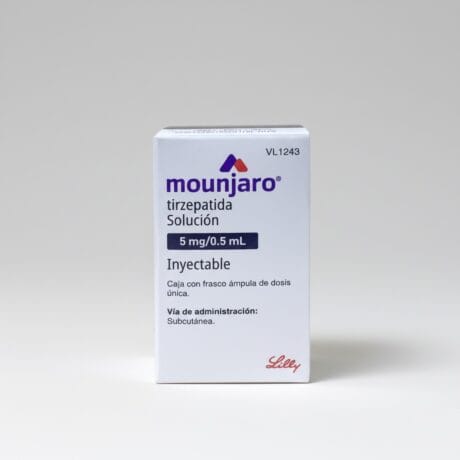 | 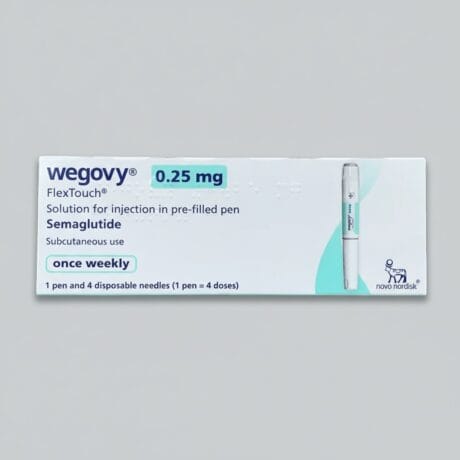 | 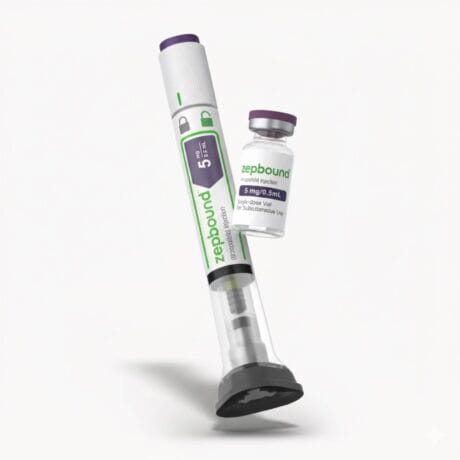 |
| Active Ingredient: Tirzepatide (GLP-1/GIP Dual Agonist) | Active Ingredient: Semaglutide (GLP-1 RA) | Active Ingredient: Tirzepatide (GLP-1/GIP Dual Agonist) |
| Key Feature: Dual-action (GIP/GLP-1) for superior efficacy (T2D approved) | Key Feature: High-dose, weekly GLP-1 specifically approved for weight loss. | Key Feature: Dual-action (GIP/GLP-1) for superior efficacy (Weight Loss approved) |
| Typical Max TBWL: ~18-22% | Typical Max TBWL: ~15-17% | Typical Max TBWL: ~18-22% |
| Approx. Monthly Price: $1,050 – $1,400 (often lower with savings programs for T2D) | Approx. Monthly Price: $1,350 – $1,600 | Approx. Monthly Price: $1,350 – $1,600 |
| Average User Rating: ★★★★★ (4.8/5.0) | Average User Rating: ★★★★☆ (4.5/5.0) | Average User Rating: ★★★★★ (4.9/5.0) |
| ORDER NOW | ORDER NOW | ORDER NOW |
⚖️ High-End Verdict:
Zepbound (Tirzepatide) is the current frontrunner for maximal weight loss. As the explicitly weight-loss approved version of the dual-agonist Tirzepatide, it offers superior efficacy (up to 22% TBWL) compared to the single-agonist Wegovy. While all three are excellent, Zepbound’s dual-action mechanism provides the best overall results for patients seeking the most powerful pharmaceutical intervention available today.
Review 4: Mounjaro (Tirzepatide) – The Dual-Action Game Changer
Mounjaro, containing the active ingredient Tirzepatide, is one of the newest and most effective injectable treatments to emerge, though it is currently licensed for Type 2 Diabetes. Its groundbreaking feature is its dual mechanism of action: it acts as both a GLP-1 and a GIP (Glucose-dependent insulinotropic polypeptide) receptor agonist. This dual agonism is thought to provide a synergistic effect, not only by suppressing appetite and slowing digestion (like single GLP-1 drugs) but also by improving how the body metabolizes fats and sugars via the GIP pathway. The result, seen in clinical trials, is an average weight loss of up to 20-22% of body weight at the highest dose, a figure previously only achievable through bariatric surgery. The convenience of a once-weekly injection further enhances its appeal, placing it firmly in the premium category of weight loss treatments. Patients typically begin at a low dose of 2.5mg and titrate up monthly to a maintenance dose (5mg, 10mg, or 15mg). Its effectiveness for T2D control is also exceptional, making it a powerful tool for patients with co-morbidities. While technically off-label for weight loss outside of the Zepbound brand, the evidence for its weight-reducing power is undeniable. For patients prioritizing maximal efficacy and the latest pharmacological technology, Mounjaro is a top contender, provided they can manage the high cost and potential difficulties in accessing it for a non-diabetes diagnosis. Its dual-action makes it stand out against older, single-target medications, setting a new benchmark for pharmacological weight loss.
CONS: High price; requires off-label use for weight loss outside of Zepbound brand
Review 5: Wegovy (Semaglutide) – The Weight Loss Pioneer
Wegovy, which contains a higher dose of Semaglutide (up to 2.4mg) than its diabetes counterpart Ozempic, was the first once-weekly GLP-1 drug to receive explicit regulatory approval for chronic weight management in non-diabetic adults with obesity. This “on-label” designation makes it a straightforward choice for physicians and patients focused purely on weight loss. Semaglutide acts as a highly potent GLP-1 Receptor Agonist, effectively mimicking the natural gut hormone to suppress appetite, enhance satiety, and slow gastric emptying. In the landmark STEP clinical trials, Wegovy users achieved an average of 15-17% Total Body Weight Loss after 68 weeks, representing a significant improvement over older-generation daily injections. The convenient, pre-filled, once-weekly auto-injector pen is a key feature, promoting high adherence rates. Wegovy’s high price reflects its maximal dose and its specific licensing for weight loss, which often means it is considered a premium medication. However, its established track record and dedicated focus on treating obesity, including proven cardiovascular benefits, justify its high-end status. While newer dual-agonists may offer slightly higher average weight loss, Wegovy remains a gold-standard treatment. It offers a powerful, proven path to substantial weight reduction with the ease of weekly self-administration. For many patients, the 15%+ weight loss threshold is life-changing, making Wegovy a highly valuable, high-end option for those who qualify and can access it.
CONS: Single-action GLP-1 only; high cost; potential for drug shortages
Review 6: Zepbound (Tirzepatide) – The Ultimate Efficacy Option
Zepbound is the explicit weight loss branding of Tirzepatide, making it the highest-efficacy injectable approved specifically for chronic weight management. It leverages the same innovative GLP-1/GIP dual-agonist mechanism as Mounjaro, but its official “on-label” status for obesity places it at the very top of the high-end market. The clinical data for Zepbound is currently the most compelling in the field of non-surgical weight loss, with patients achieving over 20% Total Body Weight Loss in trials. This dual-hormone approach optimizes both appetite suppression and metabolic function, addressing the complex biological drivers of obesity more comprehensively than single-agonist drugs. Zepbound is administered once weekly via an easy-to-use auto-injector, matching the high standard of convenience set by its competitors. The difference in efficacy is often marginal but significant when comparing it to Wegovy; Zepbound simply provides a greater opportunity for profound weight reduction. While the monthly cost is substantial—placing it in the highest price tier—the investment reflects its status as the most advanced, effective, and officially approved injectable for tackling obesity today. It is the premier choice for patients who need the maximum possible pharmacological intervention to manage severe obesity and associated health risks, providing the best chance of achieving significant and sustained results when combined with a robust lifestyle program. For those who prioritize efficacy above all else and require an on-label product, Zepbound is the definitive market leader.
CONS: Highest potential out-of-pocket cost; newest drug, long-term data still accumulating
The Takeaway: Which Injection is Right for You?
Choosing the right weight loss injection depends on your medical history, budget, and weight loss goals.
- For Maximum Efficacy: Choose Zepbound (Tirzepatide). It is the most powerful tool currently available, offering results comparable to bariatric surgery.
- For Proven, Reliable Weekly Results: Choose Wegovy (Semaglutide). It is a highly effective, on-label, once-weekly option with an established history of success.
- For the Best Budget/Convenience Compromise: Choose Ozempic (Semaglutide). Its weekly dosing and lower price (if accessible) make it the most cost-effective entry point for substantial weight loss.
Always remember that these injections are tools, not magic bullets. They work by making diet and lifestyle changes easier to adhere to. Long-term success requires a commitment to healthy eating, increased physical activity, and ongoing medical supervision.
Consult a healthcare provider today to discuss your eligibility and determine the best course of treatment for your weight management journey.
